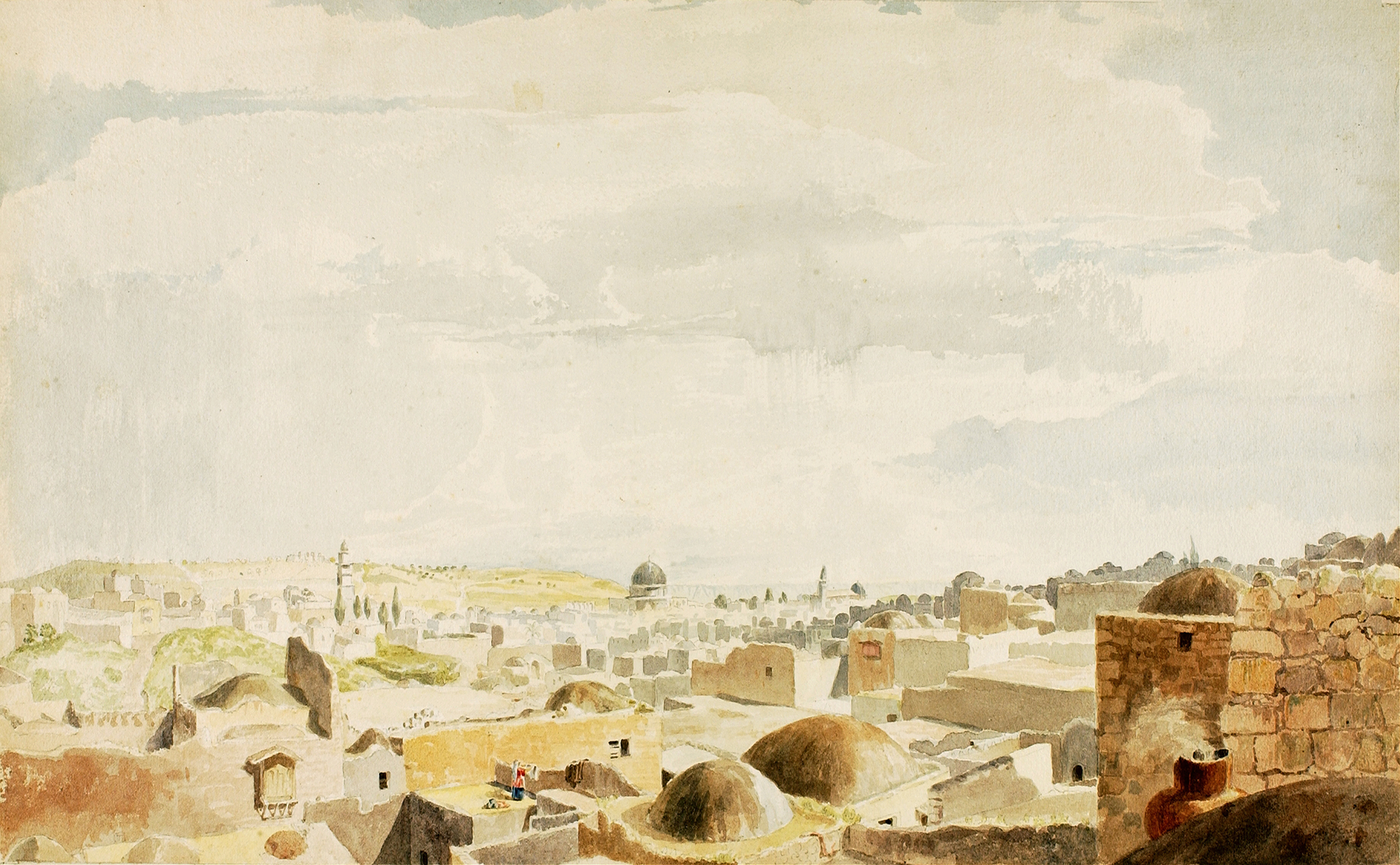
I believe that the majority of people in America have at least a vague idea that historical events are guided, or driven in some way. But if asked, practically no one will have any sort of idea on who or what was behind these movements. This article explores a topic that is at the forefront of discussion today: the State of Israel. While we can analyze and critique it until we are blue in the face, our efforts will land flat if we have a poor understanding of its unique place in history. By focusing on a key figure in this country’s history, as well as outside influences that propelled its success, I hope to impart knowledge and understanding to the current discussion. We will see the link between two disliked entities (the Rothschilds and the state of Israel), and form a better picture of what the Holy Land was like before its aggressive resettlement by the enemies of Christ.
Down the Rabbit Hole
While doing some reading about the onset of WWI (as one does), I found myself progressing down a rabbit hole that led to my writing this article. It began with the notorious man Gavrilo Princip, assassin of Archduke Franz Ferdinand. I was struck by several facts about him which are worthy of mention. The first (and widely known) being his involvement in a secret society. The second being hisconnection to Israel. Which, although very tenuous, is of some genuine interest and brought me to the focus of this article (The link is in a fascinating man named Martin Pappenheim, but deserves an entirely separate article).
That connection brought me to a little-known, but in my opinion, important man, Meir Dizengoff. He was a Zionist leader in Mandatory Palestine and the founder of Tel Aviv. Dizengoff’s actions in Palestine were integral to the founding of Israel, and while he didn’t live to see that happen, he set the wheels in motion.
His beginnings
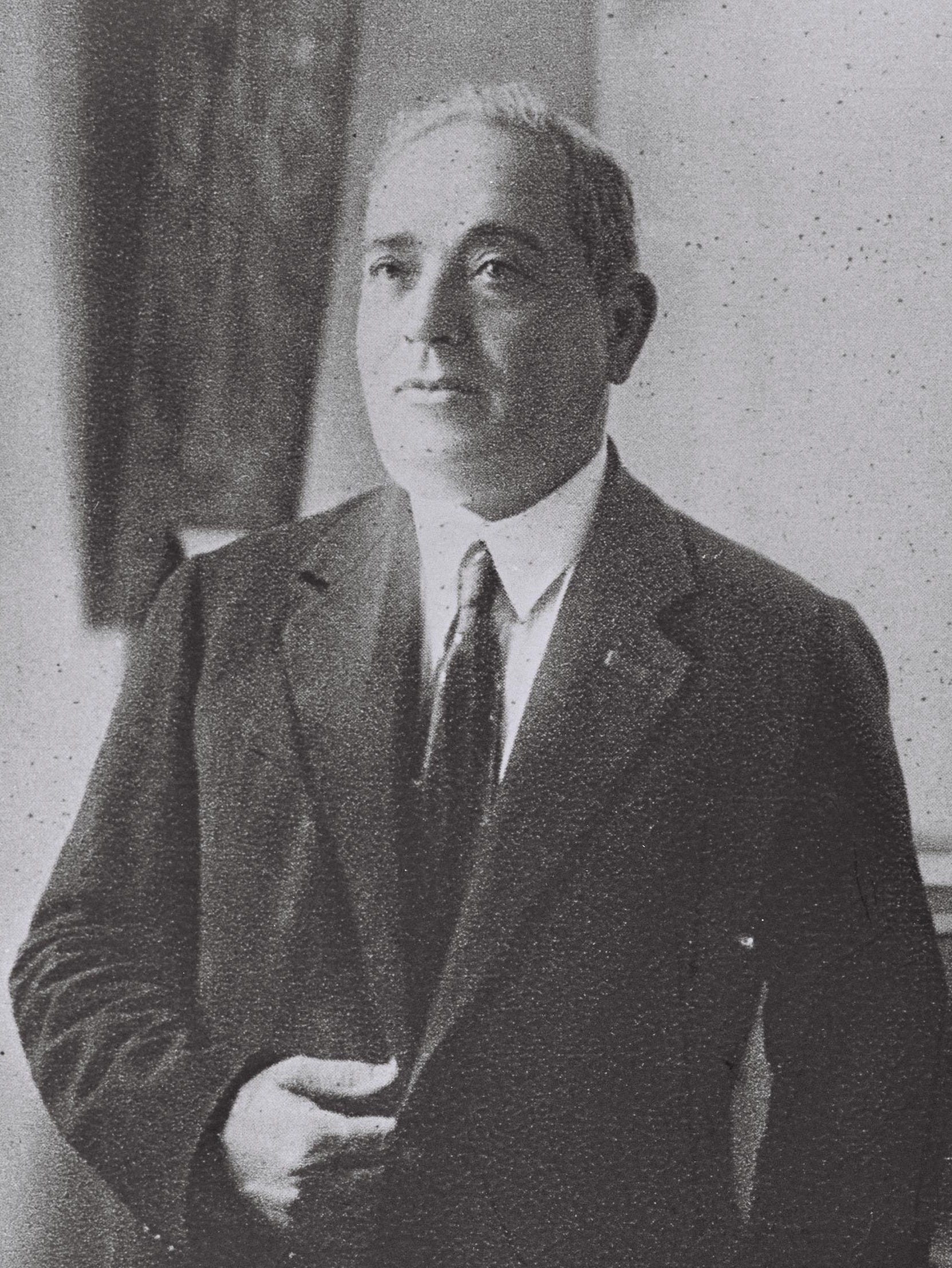
Meir’s first meeting with the Rothschild circle came in 1888 at the age of 27. He had left his hometown of Kishinev (in the Russian Empire, now the capital of Moldova) to study chemical engineering at the Sorbonne University in Paris. It was here that he met Elie Scheid, a representative of Baron Edmond de Rothschild’s projects in Ottoman Palestine. These projects were extensive, and the Baron spent the equivalent of over a billion dollars in today’s money. With that money, he funded over 30 settlements, financed major wine-making operations, purchased thousands of acres of land, and laid the groundwork for the Palestine Electric Company and Nesher Cement Works. There is then little surprise that Dizengoff (a devoted Zionist, who by this time had met and befriended the “father of Zionism”, Theodor Herzl) was recruited for the enterprise.
His first task was to establish a glass factory which would supply bottles for Rothschild’s wineries. This he opened in 1892 in the village of Tantura (this town was later destroyed and its inhabitants expelled and massacred by the IDF during the 1948 Arab-Israeli war), but due to poor sand in the area, it was forced to close. On top of the failure of the factory, Dizengoff’s pregnant wife had contracted malaria and was advised to go to Paris. With the death of his daughter soon after her birth, he made his way back to Kishinev, and while this ended his time in Israel for the present, it wouldn’t be long before he returned.
A return to the Promised Land
In 1904, he established the “Geulah company,” which bought land in Palestine and transformed it into lots that could be purchased by Jewish settlers. This enterprise was responsible for tens of thousands of acres being turned into settlements. The following year, he moved back to Israel and founded an import business which brought machinery, goods, and early automobiles into the region to replace horse-drawn carriages (an interesting side note is that this company still exists today as the M. Dizengoff & Co).
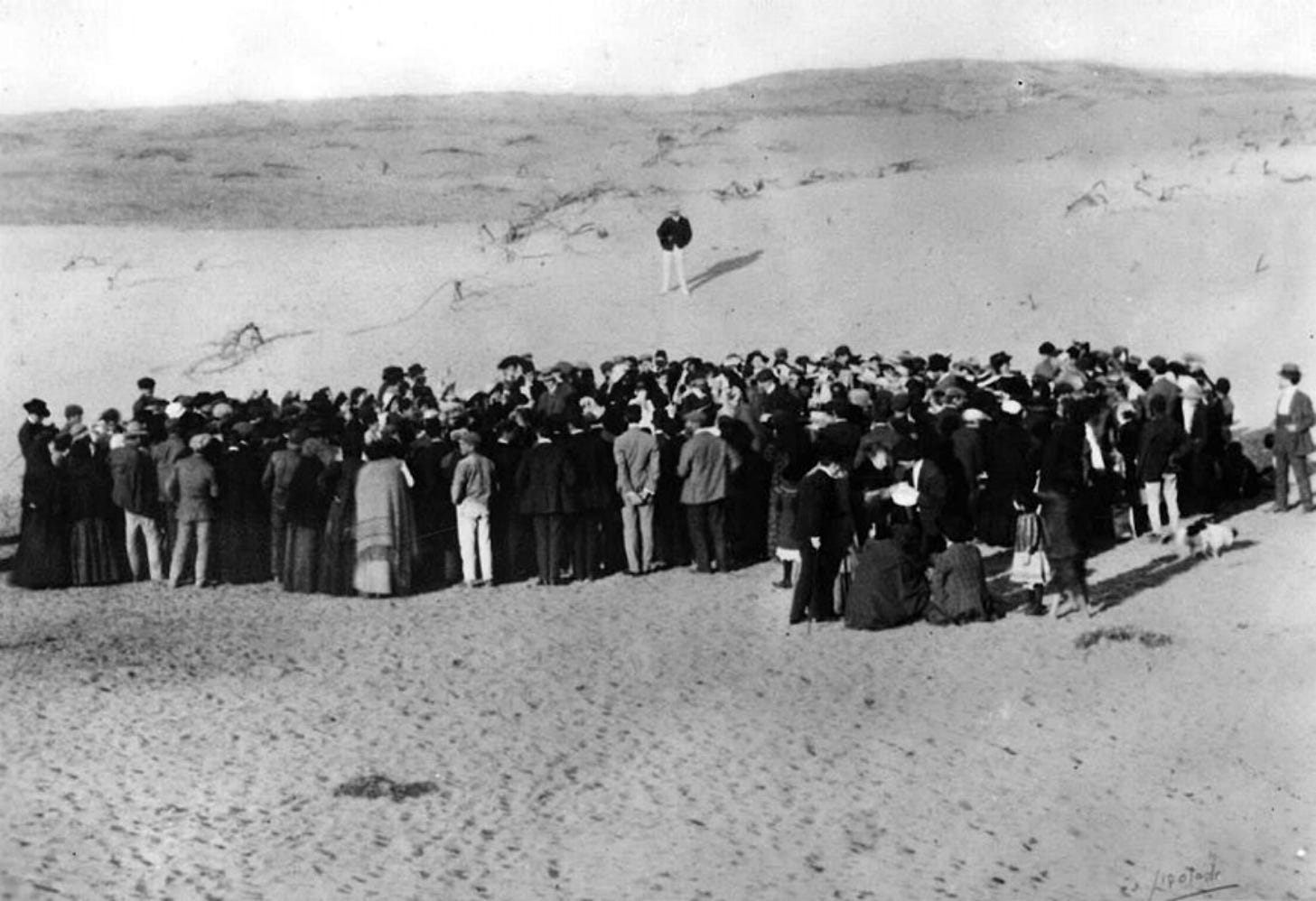
When Dizengoff learned that residents were organizing to build a new neighborhood outside of the port city of Jaffa, he formed a partnership with the Ahuzat Bayit company and bought land there, which was parceled out to the early settlers by lot. This moment was captured in the picture below, which shows the roughly 60 families gathered on the dunes exactly where Rothschild Boulevard runs today. Dizengoff used a lottery system to divide the plots, which included one plot for him and his wife.
Rapid Growth
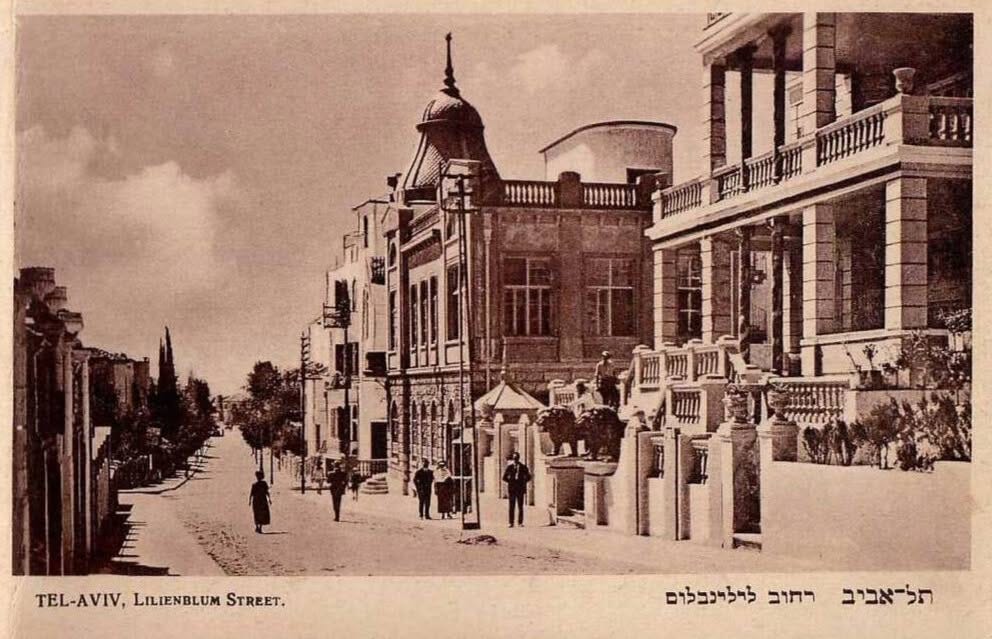
With the amount of outside resources being poured into these Zionist settlements, it should come as no surprise that Tel Aviv grew quickly. At the cost of making this article somewhat picture-dense, I will include the photograph below, taken around 1920 in the town. Although I was able to find the location where this was taken, I don’t believe any of these buildings exist anymore.
In 1921, Dizengoff was serving as head of the planning commission and received an illustrious visitor, the then Secretary of State for the Colonies of Britain, Winston Churchill. As a supporter of Zionism, he was very impressed with the town, and stated that they “ are transforming waste into fertile soil… planting trees and developing agriculture in desert lands… making for an increase in wealth and cultivation” and further that the Arab population is “deriving great benefit, sharing in the general improvement and advancement.” While this latter statement may have been true at the time, clearly not all Arabs thought this way, as proven by the riots that broke out the same year.
The following year, in 1922, he became the Mayor of the city, and continued in the role until he died in 1936. During this period, he oversaw the city’s rapid growth, with the population exploding from roughly 15,000 to over 150,000 (mostly made up of Eastern European immigrants).
The Denouement
In 1930, following his wife’s death, Dizengoff donated his house to the city of Tel Aviv and requested that it be transformed into a museum. His request was followed, and it became the Tel Aviv Museum of Art in 1932. It was inside this house, 16 years later, that David Ben-Gurion declared the independence of the State of Israel, and the location became known as Independence Hall.
Dizengoff didn’t live much longer, and on September 23, 1936, he passed away.
Epilogue
I hope that this helped folks to understand where Israel came from, and the immense forces of identity, money, and determination that it took to make a country out of nothing, in under 50 years. In the future, I would like to make more articles on the topic of Israeli settlements, but my next one may go in a somewhat different direction. If some of you were able to bear through this article, I simply ask for your opinion of it in the comments. If you skimmed through it, then trust that I have no harsh feelings, as I am unsure if I would do any differently. Thanks for reading, and Pax Christi.

testing